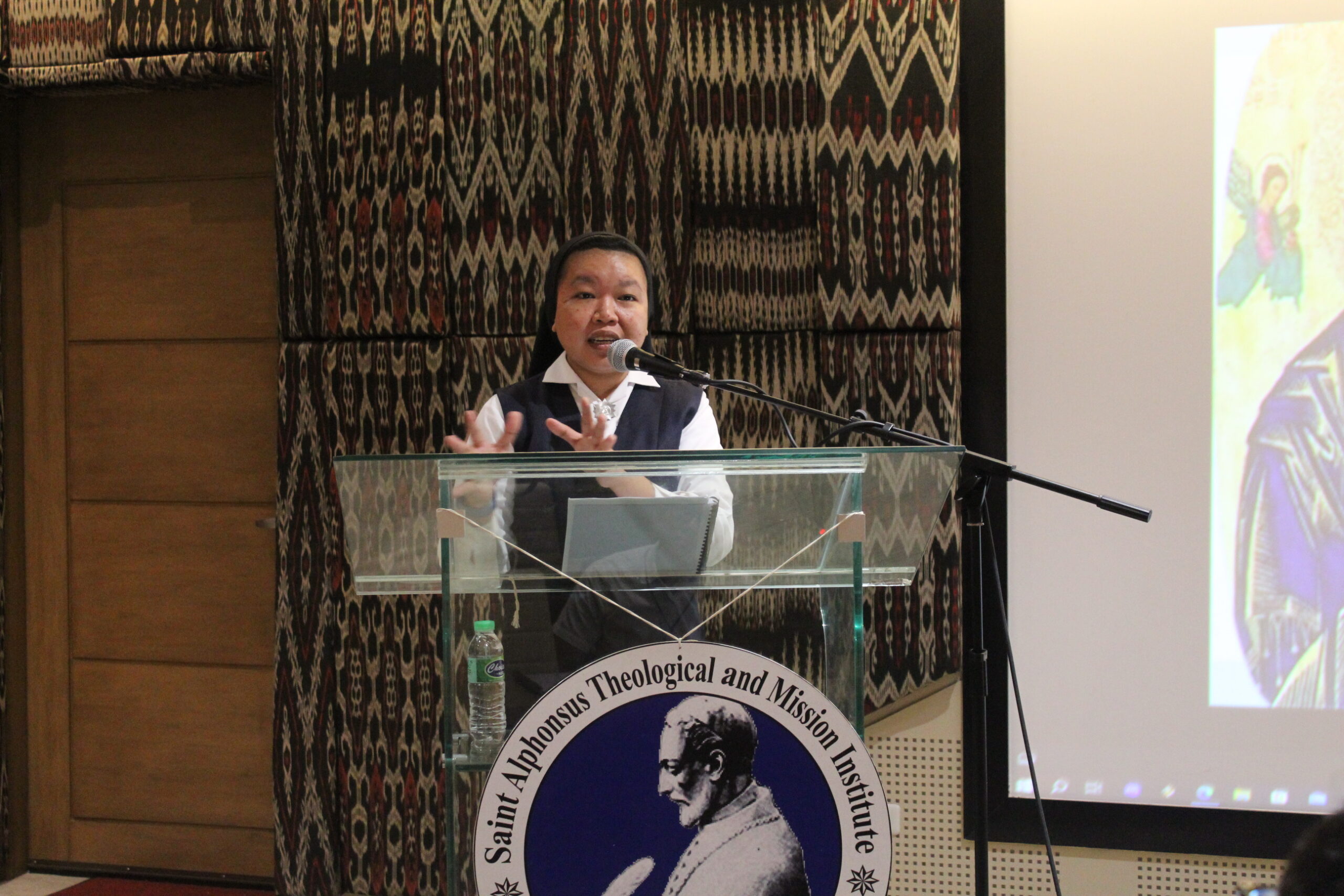
Thesis Paper Presentation
Mentor: Mr. Roawie L. Quimba, Ph.D., R.N.
Panels: Sr. Miriam Alejandrino, OSB, S.Th.D
Ms. Crescencia C. Gabijan, Ph.D,
Ms. Maria Isabel S. Actub, Ph.D
“Pope Francis emphasizes the mandate of God to care for our common home in his encyclical Laudato Si. As the world advances today, this call of God rings a bell to all to be the stewards of his creation. It urges humanity to participate and be part of the ecological and social conversion of the Earth. God has been so good and generous that He has gifted humanity with a place where His love dwells and His gifts overflow.
This study focuses on Laudato Si’s emerging concern about the throwaway culture. Studying the nature of e-commerce markets, especially Shopee and Lazada, will help understand the realities behind the fast, convenient, and production process of markets through online shopping and the negative implications it can have to society and the environment. Moreover, this study will use the critical and theological reading method on Laudato Si and throwaway culture in the context of e-commerce markets.
With all the innovations brought by technology, the moral obligation of consumers and e-commerce can help to preserve the earth with respect to the Creator who made it. Until this very moment, the divine providence of God continues to sustain the whole of humanity. All individuals are called to reconnect with God, with fellow beings and the environment”. -𝐸𝑥𝑐𝑒𝑟𝑝𝑡 𝑓𝑟𝑜𝑚 𝑡ℎ𝑒 𝑝𝑎𝑝𝑒𝑟 𝑜𝑓 𝑀𝑠. 𝐽𝑎𝑛𝑛𝑖𝑐𝑎
– – – – –
Mentor: Fr. Neil J. Badillo, OFM, S.Th.D
Panels: Sr. Miriam Alejandrino, OSB, S.Th.D
Mr. Roawie L. Quimba, Ph.D., R.N.
Mr. Noriel R. Rogon, Ph.D
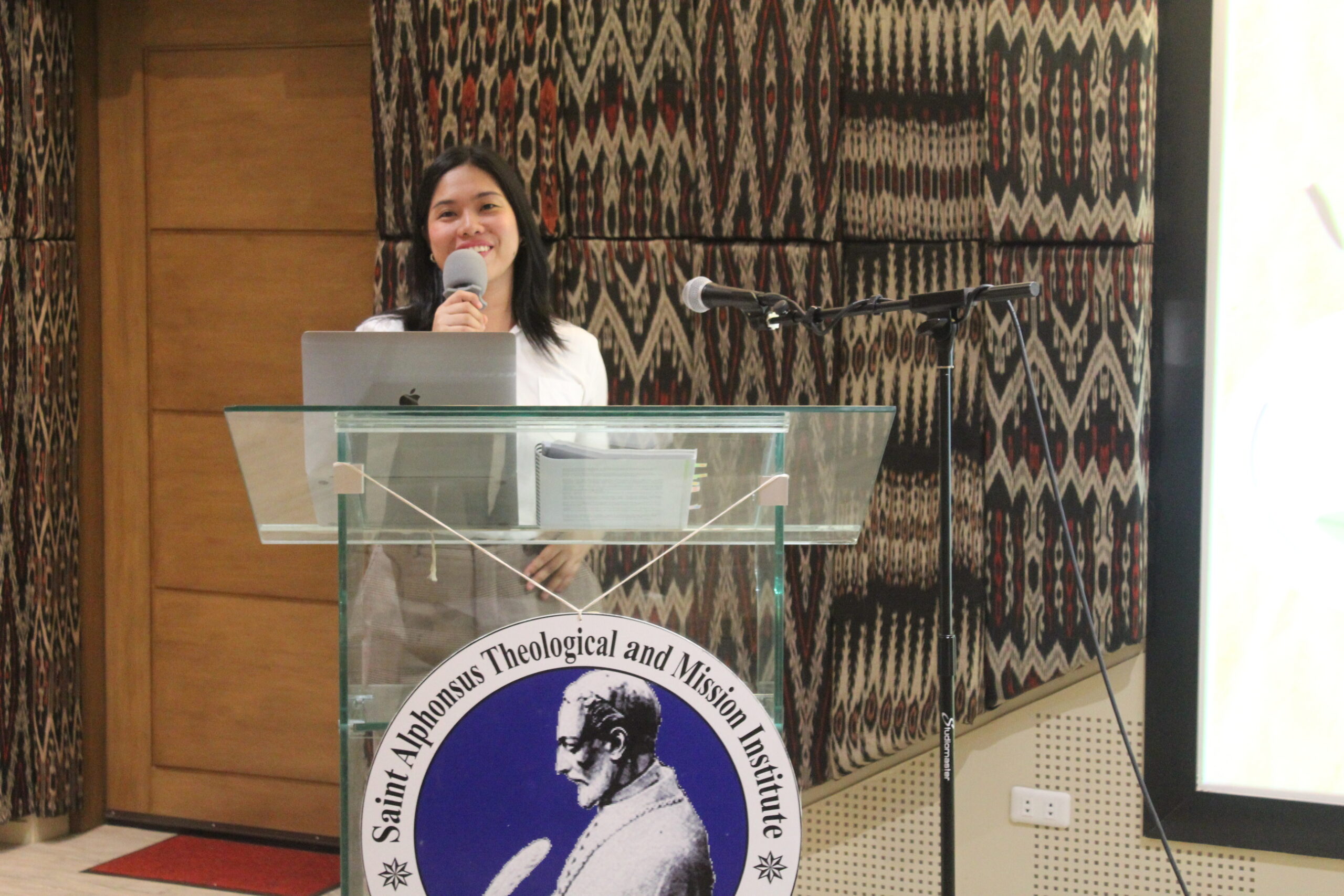
“In the Genesis creation stories 1:1-2:4, we read that God created the heavens and the earth and all that is in it. Humanity, fashioned in the image and likeness of God, was entrusted with the sacred responsibility to care for creation – to serve as stewards of life and co-creators in the ongoing unfolding of God’s goodness. Yet, this divine mandate finds itself at a critical crossroads in the twenty-first century. Amid global ecological crises, technological acceleration, and cultural shifts, humanity especially the youth, must confront the paradoxes of connectivity and consumption, of agency and alienation, of dominion and displacement.
This thesis explores 𝐻𝑜𝑚𝑜 𝐷𝑖𝑔𝑖𝑡𝑎𝑛𝑠, the emerging digital human, as a theological and pastoral lens for understanding how today’s youth engage ion the care for creation through social media. It seeks to respond to the pressing question: 𝐻𝑒𝑙𝑙𝑜𝐻𝑜𝑤 𝑐𝑎𝑛 𝑡ℎ𝑒 𝑑𝑖𝑔𝑖𝑡𝑎𝑙 𝑒𝑛𝑔𝑎𝑔𝑒𝑚𝑒𝑛𝑡 𝑜𝑓 𝑦𝑜𝑢𝑛𝑔 𝑝𝑒𝑜𝑝𝑙𝑒 𝑏𝑒 𝑢𝑛𝑑𝑒𝑟𝑠𝑡𝑜𝑜𝑑 𝑎𝑠 𝑎 𝑠𝑖𝑡𝑒 𝑜𝑓 𝑒𝑐𝑜𝑙𝑜𝑔𝑖𝑐𝑎𝑙 𝑐𝑜𝑛𝑠𝑐𝑖𝑜𝑢𝑠𝑛𝑒𝑠𝑠, 𝑠𝑝𝑖𝑟𝑖𝑡𝑢𝑎𝑙 𝑟𝑒𝑠𝑝𝑜𝑛𝑠𝑖𝑏𝑖𝑙𝑖𝑡𝑦, 𝑎𝑛𝑑 𝑝𝑟𝑜𝑝ℎ𝑒𝑡𝑖𝑐 𝑤𝑖𝑡𝑛𝑒𝑠𝑠?
In a world where virtual spaces are as formative as physical ones, this study posits that social networking sites are not merely tools for activism – they are sacred where the Spirit breathes new life into ancient truths, and where young voices rise as modern-day prophets.
Focusing on youth across both Christian and non-Christian communities, this research investigates how young digital citizens articulate climate concerns, issue calls to action, and cultivate eco-spirituality in online platforms. It employs a multidisciplinary approach, integrating biblical insights, Catholic Social Teaching, and thoughts from other disciplines, the study investigates how young digital ecological advocates express climate concerns and advocacies, call to action, and cultivate eco-spirituality in social networking sites.
By examining how social media serves as a conduit for youth ecological advocacy, the thesis underscores the Church’s pastoral responsibility to accompany and empower the young in their digital discipleship. It proposes pathways for formation, liturgical engagement, and ecological mission rooted in justice, compassion, and hope. Ultimately, it argues that digital engagement is not peripheral to the Church’s mission, it is central to a renewed theology of creation and a prophetic response to “the cry of the poor and the cry of the earth.
In an age marked by booth ecological vulnerability and technological transformation, reclaiming the moral imperative to care for creation call us to revisit the Genesis vision: that all of life is interconnected, that humankind is called to goodness, and that creation itself is destined to praise its Creator. This thesis is both a theological inquiry and a pastoral invitation – to listen anew, to act justly, and to dream with the youth for a more just, sustainable, and grace-filled world”. -𝐸𝑥𝑐𝑒𝑟𝑝𝑡 𝑓𝑟𝑜𝑚 𝑡ℎ𝑒 𝑝𝑎𝑝𝑒𝑟 𝑜𝑓 𝑆𝑟. 𝑀𝑖𝑠ℎ𝑒𝑖𝑙
– – – – –
Mentor: Dr. Margarette Delgado
Panels: Fr. Neil J. Badillo, OFM, S.Th.D
Sr. Miriam Alejandrino, OSB, S.Th.D
Ms. Crescencia C. Gabijan, Ph.D
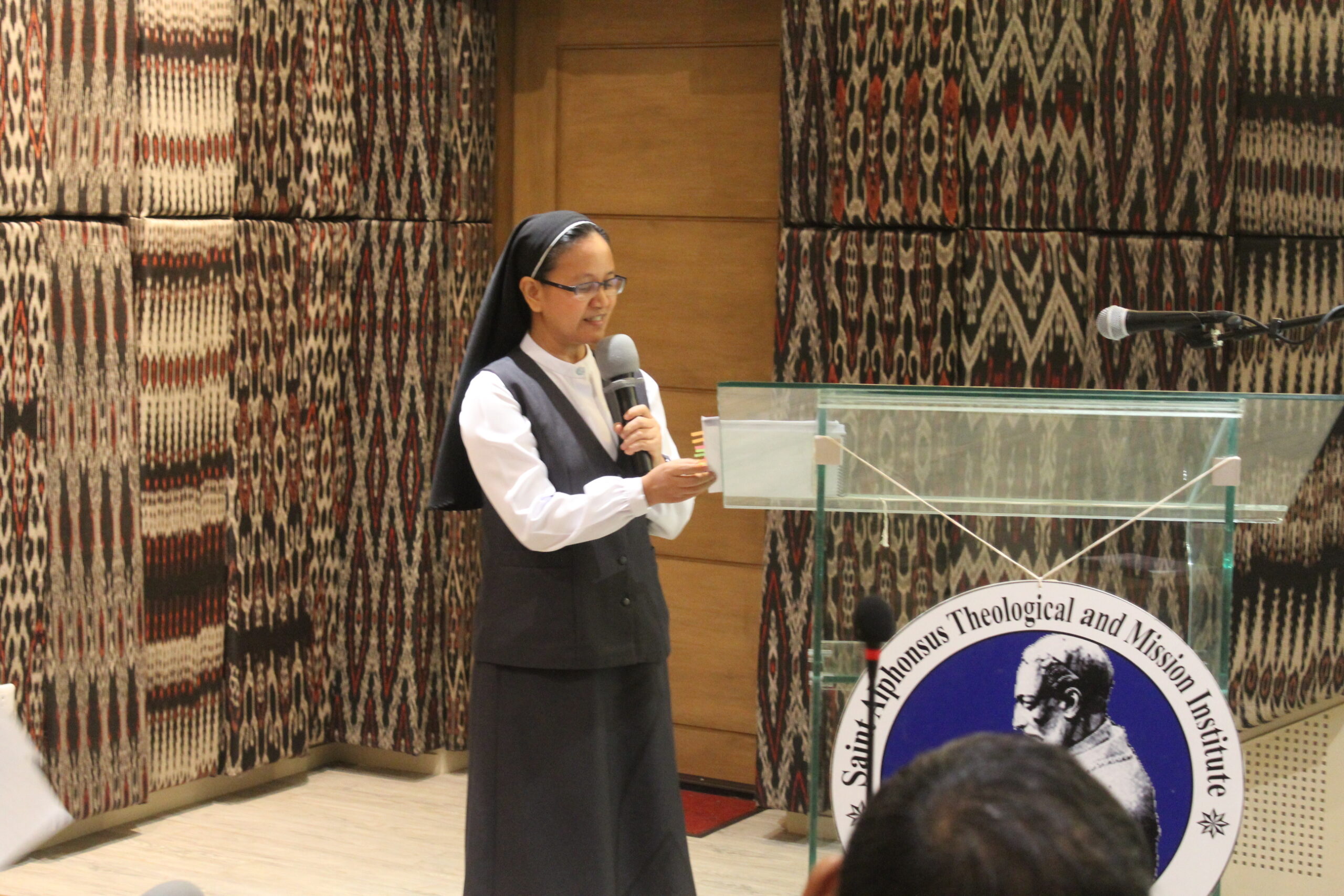
“This study, Modeling Ethical Pedagogy: Exploring Mary’s Influence in Early Childhood Educators at Maria Perpetuo Socorro Learning Center (MPSLC), Inc., uncovers the role of the Blessed Virgin Mary as a model for ethical pedagogy among early childhood educators at MPSLC, Inc. It grounds its inquiry in the infancy narratives of the Gospel of Luke and explores how Mary’s virtues—humility, faith, compassion, and obedience—can inform and inspire not only the educational practices of the teachers at MPSLC but also align their pedagogy with Catholic values. The study employs qualitative analysis of biblical texts and reflective interviews with educators and parents at MPSLC to support the idea that Mary’s example can help shape a nurturing, values-based educational environment. Key themes that emerge include the integration of Marian virtues into classroom practices, the formation of moral character in young learners, and the alignment of Catholic identity with early childhood education. Findings suggest that adopting Mary’s example enriches the holistic development of learners and strengthens the ethical mission of MPSLC. Furthermore, this research contributes to the broader discourse on religious education and ethical teaching in the Philippine context, advocating a faith-centered approach that fosters moral and spiritual growth in early learners”. -𝐸𝑥𝑐𝑒𝑟𝑝𝑡 𝑓𝑟𝑜𝑚 𝑡ℎ𝑒 𝑝𝑎𝑝𝑒𝑟 𝑜𝑓 𝑆𝑟. 𝐴𝑛𝑛𝑎 𝐹𝑙𝑜𝑟