
𝐁𝐮𝐝𝐲𝐨𝐧𝐠 𝐕𝐨𝐥𝐮𝐦𝐞 𝟗 | 𝟐𝟎𝟐𝟓-𝟐𝟎𝟐𝟔
𝐇𝐨𝐩𝐞 𝐅𝐫𝐨𝐦 𝐁𝐞𝐥𝐨𝐰: 𝐋𝐢𝐯𝐞𝐝 𝐓𝐡𝐞𝐨𝐥𝐨𝐠𝐢𝐞𝐬 𝐨𝐟 𝐇𝐨𝐩𝐞 𝐢𝐧 𝐭𝐡𝐞 𝐅𝐚𝐜𝐞 𝐨𝐟 𝐂𝐫𝐢𝐬𝐞𝐬 𝐚𝐧𝐝 𝐒𝐨𝐜𝐢𝐚𝐥 𝐄𝐯𝐢𝐥𝐬
In our time, both in the Philippines and across the globe, the human family stands at a crossroads marked by uncertainty, suffering, and deep longing. Ongoing wars—such as the Russo-Ukrainian War, the Israel-Hamas War, and the recent war in Iran—continue to devastate lives, displace communities, and fracture already fragile hopes for peace. Closer to home, our people endure recurring climate-related disasters, widening economic inequalities, and the persistent wounds of corruption and injustice. The cries of the poor grow louder, even as their voices are often drowned out by misinformation and disinformation that distort the truth and erode trust. Meanwhile, our common home groans under the weight of ecological destruction, underscoring the urgency of care for creation as powerfully articulated in Laudato Si’.



Amid this complex and often painful landscape, we are compelled to ask: 𝐼𝑠 𝑡ℎ𝑒𝑟𝑒 𝑠𝑡𝑖𝑙𝑙 ℎ𝑜𝑝𝑒? 𝑊ℎ𝑒𝑟𝑒 𝑑𝑜 𝑤𝑒 𝑎𝑛𝑐ℎ𝑜𝑟 𝑜𝑢𝑟 ℎ𝑜𝑝𝑒? These are not merely abstract or speculative questions. They arise from the depths of lived experience: from communities struggling to rebuild after typhoons, from families fractured by migration or poverty, and from young people searching for meaning in a world that often feels unstable and uncertain.
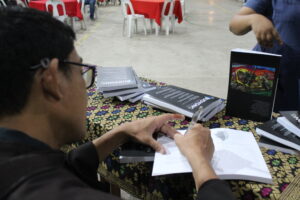

This ninth volume of 𝑆𝐴𝑇𝑀𝐼 𝐵𝑢𝑑𝑦𝑜𝑛𝑔 (2025-2026), with its theme “𝐻𝑜𝑝𝑒 𝐹𝑟𝑜𝑚 𝐵𝑒𝑙𝑜𝑤: 𝐿𝑖𝑣𝑒𝑑 𝑇ℎ𝑒𝑜𝑙𝑜𝑔𝑖𝑒𝑠 𝑜𝑓 𝐻𝑜𝑝𝑒 𝑖𝑛 𝑡ℎ𝑒 𝐹𝑎𝑐𝑒 𝑜𝑓 𝐶𝑟𝑖𝑠𝑒𝑠 𝑎𝑛𝑑 𝑆𝑜𝑐𝑖𝑎𝑙 𝐸𝑣𝑖𝑙𝑠,” enters precisely into this existential and theological terrain. Rather than offering facile answers or detached reflections, the contributions, gathered in this volume seek to uncover and articulate forms of hope that emerge “from below”—from the lived realities of suffering, resistance, and resilience among God’s people. In doing so, they invite us to rediscover hope not as a distant ideal, but as a dynamic and transformative force rooted in history, community, and faith.
𝐅𝐑. 𝐄𝐃𝐈𝐋𝐁𝐄𝐑𝐓𝐎 𝐁. 𝐂𝐄𝐏𝐄, 𝐂𝐒𝐒𝐑, 𝐒𝐒𝐋
𝐸𝑑𝑖𝑡𝑜𝑟-𝑖𝑛-𝐶ℎ𝑖𝑒𝑓
For more photos: